japanese comics, commonly known as manga, have transcended cultural boundaries to become a major influence in global popular culture. From their unique artistic styles and storytelling techniques to their diverse genres, japanese comics have captivated millions of fans worldwide. Whether you’re a seasoned manga reader or a newcomer, understanding the history, evolution, and cultural significance of these works enriches the reading experience and appreciation of this vibrant art form. This comprehensive guide explores every facet of Japanese comics, shedding light on their past, present, and future possibilities.
A Comprehensive Guide to Japanese Comics: Manga and Beyond
Japanese comics, or manga, encompass a wide array of artistic expressions that blend compelling narratives with distinctive visual styles. They are crafted with a deep understanding of cultural nuances and storytelling conventions that differentiate them from Western comics. Beyond simple entertainment, japanese comics serve as a mirror to societal values, historical contexts, and even philosophical debates. Their vast scope includes everything from action-packed adventures and romantic dramas to psychological thrillers and historical epics. As a cultural phenomenon, manga bridges generations and demographics, making it a cornerstone of contemporary Japanese culture and an influential force worldwide.
The appeal of japanese comics lies not just in their engaging stories but also in the artistry that brings characters and worlds to life. Creators often experiment with unconventional panel layouts, visual symbolism, and detailed character expressions that enhance storytelling. Moreover, manga has become a platform for social commentary, exploring themes such as identity, morality, and societal change. This widespread versatility emphasizes manga’s role as both entertainment and art, positioning it as a unique and invaluable component of modern visual storytelling.
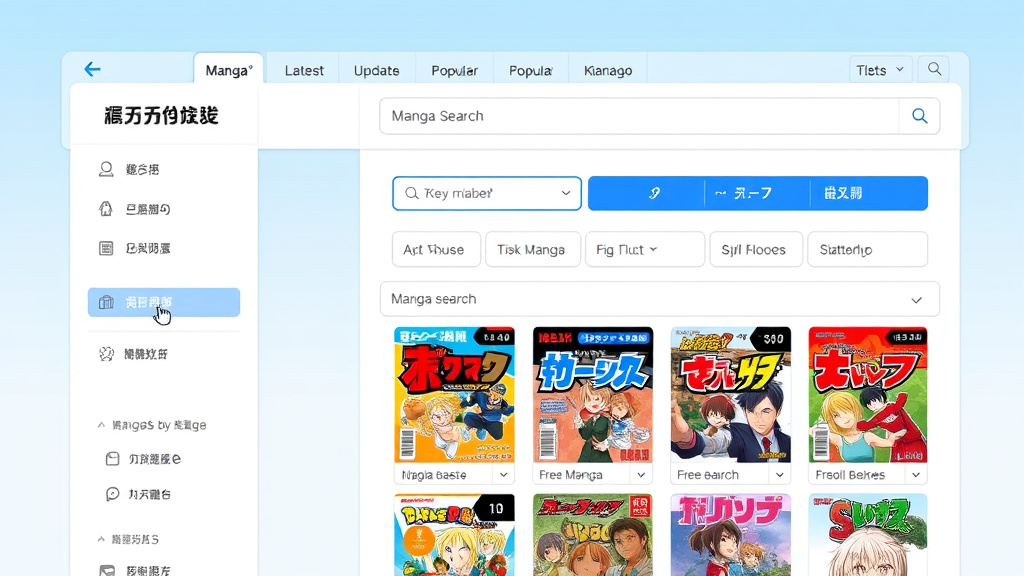 Hình minh họa: japanese comics – sites to read manga for free
The Evolution of Japanese Comics: From Early Influences to Modern Masterpieces
The origins of japanese comics trace back to traditional ukiyo-e woodblock prints and illustrated literature from the Edo period, which laid the groundwork for narrative art in Japan. However, it was during the post-World War II era that manga began to evolve rapidly, influenced by Western comics, American superhero stories, and adventure magazines. Artists like Osamu Tezuka—often called the “God of Manga”—revolutionized the industry with works like Astro Boy, establishing many conventions that are still prevalent today, such as cinematic panel layouts and complex character development.
Over the decades, manga has grown into a multi-faceted industry, embracing technological advances and shifting social landscapes. The 1980s and 1990s saw a boom in manga genres catering to various age groups and interests, from shonen (boys) and shojo (girls) to seinen (men) and josei (women). Contemporary manga continues to innovate with digital art techniques and global collaborations, reflecting the interconnectedness of today’s media landscape. This evolution underscores manga’s ability to adapt while maintaining a distinct Japanese sensibility, fostering global fandom and inspiring countless adaptations.
Decoding Manga: Understanding Artistic Styles and Narrative Conventions
One of the most fascinating aspects of japanese comics is their diverse artistic styles, which serve to reinforce narrative tone and character personality. For instance, shonen manga often feature dynamic action sequences, exaggerated motion lines, and bold character designs to evoke excitement. Conversely, shojo manga might emphasize delicate lines, expressive eyes, and intricate backgrounds to evoke romance and emotional depth. Recognizing these stylistic nuances helps readers appreciate the artistry and storytelling choices unique to each genre.
Narrative conventions in manga also include distinctive panel structures, visual symbolism, and pacing techniques. For example, the use of speed lines conveys motion, while emotional states are depicted through symbolic imagery like sweat drops or tears. The manga format often plays with screen layout, combining full-page spreads with smaller vignette panels to control rhythm and impact. Understanding these conventions enhances the reading experience, revealing how manga creators manipulate visual language to evoke empathy, tension, humor, or introspection.
Genres in Japanese Comics: Exploring Diverse Themes and Target Audiences
Manga is a genre-rich universe that caters to virtually every demographic and interest. From action-packed shonen titles like Dragon Ball and One Piece to heartfelt shojo stories such as Fruits Basket, there’s a story for every taste. Beyond age and gender-specific categories, manga explores universal themes like friendship, love, ambition, and hardship—often with nuanced cultural insights. This diversity allows readers to engage deeply with stories that mirror their own life experiences or introduce them to unfamiliar worlds.
Moreover, niche genres continue to expand the boundaries of manga storytelling. Psychological thrillers like Monster and cyberpunk tales such as Akira challenge notions of morality and dystopia. Satirical works or manga focusing on culinary arts, sports, or historical narratives prove that manga is not just entertainment but a multifaceted art form that reflects societal issues and personal identity. The variety ensures manga’s relevance and vitality, fostering a vibrant community of readers who appreciate storytelling in all its forms and depths.
The Influence of Japanese Comics on Global Pop Culture
Japanese comics have profoundly impacted global pop culture, fueling a worldwide manga boom and inspiring countless adaptations. Through translated editions, anime adaptations, and merchandise, Manga’s reach extends beyond Japan’s borders, influencing Western comics, fashion, video games, and entertainment industries. Iconic characters like Naruto, Goku, and Sailor Moon are now household names, exemplifying the cultural crossover of japanese comics.
This influence extends to creative industries, where manga-inspired art styles are prevalent in comic books, animation, and even advertising. Platforms like Crunchyroll, Funimation, and Netflix have brought anime adaptations of manga to the global stage, making stories accessible to millions. Importantly, the cultural exchange fostered by manga has created a more inclusive dialogue around storytelling, allowing audiences worldwide to explore Japanese history, traditions, and social issues through captivating visual narratives. This cross-pollination underscores manga’s role as an influential global art form, shaping fashion, media, and youth culture worldwide.
Key Creators and Influential Works in the History of Japanese Comics
The history of japanese comics is punctuated by visionary creators whose innovations revolutionized the industry. Osamu Tezuka, with his pioneering works like Astro Boy and Black Jack, set foundational standards for storytelling, character complexity, and art style. Rumiko Takahashi introduced humor and character-driven narratives with series like Ranma ½, impacting shojo and comedy manga. Katsuhiro Otomo’s Akira demonstrated how manga could serve as a medium for complex, dystopian storytelling that transcends traditional genre boundaries.
Numerous influential works have influenced generations of readers and creators alike, often addressing social issues or pushing artistic boundaries. Neon Genesis Evangelion, Death Note, and Attack on Titan exemplify manga’s capacity for psychological depth, moral ambiguity, and detailed world-building. As manga history continues to unfold, new voices emerge, blending traditional storytelling with innovative art techniques, ensuring that the legacy of these pioneers persists. Celebrating these key figures and masterpieces sheds light on how manga has matured into an inclusive, diverse, and dynamic art form appreciated worldwide.
From Page to Screen: The Adaptation of Japanese Comics into Anime and Live-Action
One of the most compelling aspects of japanese comics is their successful adaptation into animation (anime) and live-action formats. Anime adaptations bring manga stories to life with motion, sound, and voice acting, often expanding the universe established on the page. Films like Spirited Away and series such as Naruto demonstrate manga’s versatility as source material, elevating stories to international fame and critical acclaim.
Live-action adaptations, while more complex, also hold a significant place in manga’s transmedia journey. Titles like Rurouni Kenshin and Death Note have been transformed into successful live-action movies, allowing fans to see their favorite stories realized in different visual formats. These adaptations often spark debate among fans regarding fidelity and artistic interpretation but undeniably contribute to manga’s visibility and commercial success. The seamless translation of japanese comics into other media forms exemplifies their narrative richness and narrative potential, further fueling global enthusiasm for manga and anime culture.
The Business of Manga: Publishing, Distribution, and the Global Market
The business of manga is a complex industry driven by publishers, translators, and distributors working to meet global demand. Traditional publishing houses like Shueisha and Kodansha first established the domestic market, but the rise of digital platforms has transformed business models, allowing for instant access to vast catalogs of manga in multiple languages. Digital manga subscriptions, print-on-demand services, and fan-made translations have expanded reach exponentially, making manga more accessible than ever.
On the global stage, manga’s commercialization extends beyond books into merchandise, video games, and animated adaptations. The competition and collaboration within this market influence trends and demand, prompting publishers to seek innovative ways to engage new audiences. As digital technology continues to evolve, the future of manga involves immersive experiences like virtual reality and interactive media, ensuring the industry remains dynamic and receptive to technological shifts. The business aspect highlights the importance of cultural export, intellectual property management, and creative entrepreneurship that sustain manga’s prominence in entertainment worldwide.
Japanese Comics and Fandom: Communities, Conventions, and Cosplay Culture
The fandom surrounding Japanese comics is vibrant and diverse, characterized by passionate communities that share their love for manga through online forums, local clubs, and fan art. Conventions such as Anime Expo and Comiket serve as gathering points for fans to celebrate their favorite series, buy exclusive merchandise, and meet creators. These events foster a sense of belonging and cultural exchange, strengthening the global manga community.
Cosplay culture is another vibrant extension of manga fandom, with enthusiasts dressing up as characters from their favorite series for conventions, photoshoots, and competitions. This creative practice allows fans to embody the personalities they admire, enhancing emotional connection and cultural appreciation. The fandom’s enthusiasm and creative expression underscore manga once again as a social phenomenon—one that transcends reading, inspiring a sense of identity, shared passion, and international camaraderie that continues to grow and evolve.
The Future of Japanese Comics: Trends, Innovations, and the Digital Landscape
The future of japanese comics is poised for continued innovation driven by technology and changing consumer habits. Digital platforms, manga streaming services, and interactive formats such as augmented reality offer new ways to experience manga storytelling. Moreover, increased accessibility and translations facilitate a broader international audience, democratizing content production and consumption.
Emerging trends include personalized manga creation tools, webtoons, and a shift toward more diverse representation and experimental narratives. As creators harness virtual reality and artificial intelligence, stories may become more immersive and participatory, blurring the lines between creator and consumer. These trends signal a vibrant future, where manga continues to innovate, adapt, and expand its global footprint—becoming more inclusive, interactive, and technologically integrated than ever before.
Conclusion
Japanese comics, or manga, have evolved from traditional visual storytelling to a global cultural phenomenon that influences entertainment, fashion, and social discourse worldwide. Their rich history reveals a continuous thread of artistic innovation and societal reflection—fostering diverse genres and inspiring adaptations into anime, live-action, and digital media. As manga continues to grow and innovate within a dynamic technological landscape, its community of fans, creators, and industry professionals sustains its vitality, ensuring that japanese comics will remain a powerful and beloved form of storytelling for generations to come.